
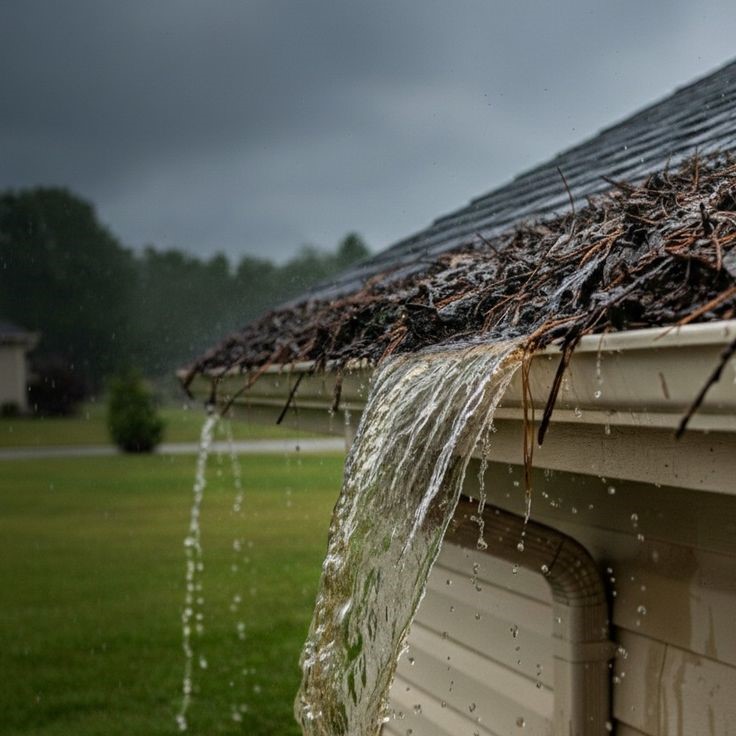
The connection between gutters causing roof leaks surprises many homeowners, but clogged, overflowing gutters are one of the most common and preventable sources of roof damage.
Key Takeaways
- Overflowing gutters push water under the roof edge, rotting fascia and decking.
- The damage builds for months before you see an interior stain.
- Regular gutter cleaning prevents this cheap, common problem.
- Heavy foothill debris makes gutter maintenance especially important.
Quick Answer: Can Overflowing Gutters Cause a Roof Leak?
Yes, overflowing gutters are a common cause of roof leaks. When gutters clog and water cannot drain, it backs up along the roofline and seeps under the first course of shingles or tiles, reaching the fascia and decking. There it rots the wood and eventually leaks inside, often months after the damage began. Because gutters causing roof leaks is so preventable, regular cleaning, especially before the rainy season, is one of the cheapest ways to protect your roof.
Gutters Overflowing in Heavy Rain: Can That Cause a Roof Leak?
If you’ve ever watched your gutters turn into a waterfall during a storm, you’ve probably asked the same question many homeowners do:
Can overflowing gutters actually cause a roof leak, or is it just messy?
In Southern California, the answer is yes. Overflowing gutters can absolutely contribute to roof leaks, especially around roof edges, fascia boards, and the areas where the roof meets stucco or exterior walls.
The tricky part is timing. You may see water pouring over the gutter during heavy rain, then notice a ceiling stain or musty smell days later. That delay doesn’t mean the two aren’t connected. Water often travels along roof edges, framing, and wall cavities before it shows up inside.
Understanding how gutter overflow behaves and where it causes damage can help you prevent a small issue from turning into a much larger roof repair.
If your gutters are overflowing and you’re noticing interior signs, a roofline inspection with photo documentation can help identify exactly where the water is going and why.
What’s Actually Happening During Heavy Rain
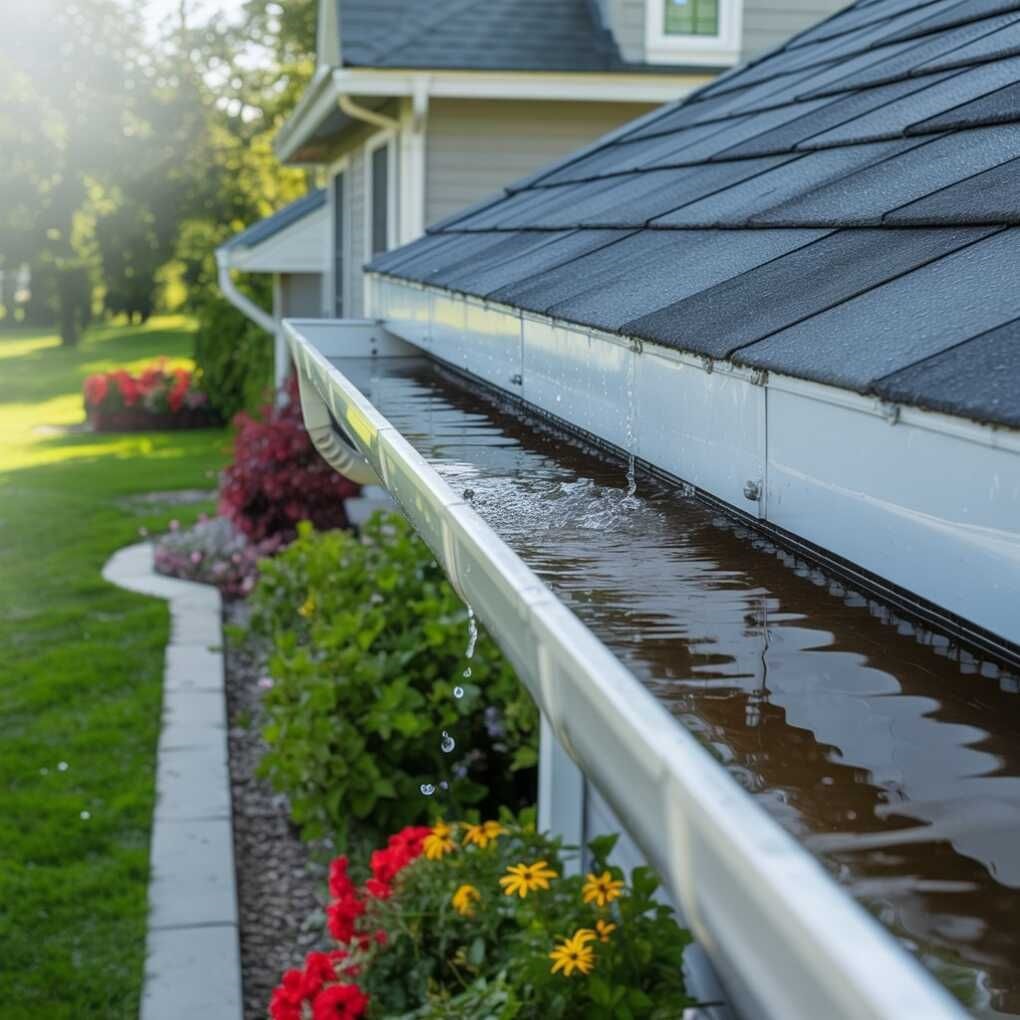
Gutters are designed to control roof runoff and move water safely away from the home. When they overflow, that system breaks down.
Instead of flowing into the gutter and downspout, water begins soaking materials that are not meant to stay wet, especially wood components and roof edge details.
Common reasons gutters overflow
- Leaves, pine needles, seed pods, or roof granules are blocking the flow
- Downspout clogs or slow drainage
- Improper gutter pitch is causing standing water
- Sagging gutters pulling away from the fascia
- Short, heavy rain bursts overwhelm marginal drainage
In many neighborhoods with mature trees, debris buildup is only part of the issue. Pitch, attachment, and edge detailing often play an equally important role.
How Gutter Overflow Turns Into a Roof Leak
Overflow becomes a roofing problem when water reaches vulnerable areas.
Common pathways include:
- Water running behind the gutter, soaking fascia and eave wood
- Water is pushing behind the drip edge flashing at the roof perimeter
- Moisture wicking into the starter course and underlayment edge
- Water hitting stucco walls and entering at the roof to wall transitions
In older homes with layered rooflines or additions, these areas are especially vulnerable. This is often how so-called “mystery leaks” begin.
What Homeowners Can Do Right Now (Safely)
You don’t need to climb a ladder to gather useful information.
Step 1: Identify where overflow occurs
From a safe location during rain, observe:
- Which side of the home is overflowing
- Whether water spills over the front or back of the gutter
- Whether runoff is hitting stucco, doors, windows, or pooling at the walls
Back-edge overflow is the biggest red flag.
Step 2: Watch downspout performance
Look for:
- Strong discharge at the downspout (good sign)
- Little or no discharge while gutters overflow (possible blockage)
- Overflow at the downspout connection point (localized issue
Step 3: Protect vulnerable areas below
- Move outdoor furniture away from waterfall zones
- Monitor door thresholds or wall bases
- If a ceiling stain appears, begin documenting with photos
Applying sealant along gutters or roof edges often makes things worse by trapping water or redirecting it into wall cavities. Overflow is usually a drainage and detailing issue, not a sealing problem.
When to Call a Roofing Contractor
It’s time to schedule a professional inspection if you notice:
- Water running behind the gutter toward fascia or walls
- Sagging or pulling gutters
- Overflow continues even after cleaning
- Repeated water hitting stucco near rooflines
- Interior signs such as stains, bubbling paint, or damp drywall
Overflow patterns rarely fix themselves. When water repeatedly soaks roof edges or transitions, damage tends to spread quietly until it becomes more expensive to address.
Common Mistakes Homeowners Make
- Assuming overflow is “just a gutter issue”
- Cleaning debris without correcting pitch or sagging
- Sealing roof edges instead of fixing drainage paths
- Ignoring roof-to-wall transitions behind stucco
- Waiting for an interior leak to confirm a problem
By the time water appears inside, it has often been traveling for some time.
Preventing Gutters Causing Roof Leaks
Preventing gutters causing roof leaks is simple: keep gutters and downspouts clear, especially before the rains, make sure they are properly sloped, and inspect the fascia and roof edge for early rot. Green Ladder Roofing can assess your drainage and repair any damage clogged gutters have already caused.
The True Cost of Ignoring Gutter Maintenance
Skipping gutter cleaning seems harmless until the bill arrives. Water backing up under the roof edge quietly rots the fascia, then the decking, then works toward the interior, turning a free afternoon of gutter cleaning into thousands of dollars in fascia, roof, and interior repairs. Overflowing gutters also dump water against the foundation and walls, causing erosion and moisture damage well beyond the roof. For the small effort of keeping gutters clear, especially in debris-heavy foothill areas, you protect a far larger investment. It is one of the highest-return maintenance tasks a homeowner can do.
Frequently Asked Questions
Can clogged gutters cause a roof leak?
Yes. Water backs up under the roof edge, seeps beneath the roofing material, and rots the fascia and decking, leading to leaks. It is a very common cause of roof-edge damage.
How often should I clean my gutters?
At least twice a year, and always before the rainy season. Areas with heavy tree cover and foothill debris need more frequent cleaning.
What are signs of gutter-related roof damage?
Peeling paint or rot on the fascia, water stains near the roof edge, sagging gutters, and interior stains along exterior walls.
Can gutter damage to my roof be repaired?
Yes. Depending on the extent, that may mean replacing rotted fascia, repairing decking, or fixing damaged roofing. An inspection determines the scope.
Frequently Asked Questions
Can overflowing gutters cause a roof leak?
– Yes, especially when water runs behind the gutter or reaches roof edge flashing.
Why do my gutters overflow even after cleaning?
– Improper slope, sagging, or downspout restrictions are common causes.
What does it mean if water pours over the back of the gutter?
– Water is bypassing the gutter system and moving toward fascia or walls, a higher-risk condition.
Can a gutter overflow cause leaks behind stucco?
– Yes. Water can migrate behind wall systems before showing inside.
Do gutter guards stop overflow?
– They can help with debris, but do not correct slope, sagging, or drainage capacity.
How do I know if the leak is from gutters or the roof?
– A roofing inspection with photo documentation can trace the water path accurately.
A Smart Next Step for Homeowners
Gutters overflowing in heavy rain can absolutely lead to roof leaks, particularly at roof edges, fascia boards, and roof-to-wall transitions.
If overflow keeps happening at your Pasadena home, identifying the cause early is the best way to prevent larger repairs later.
Green Ladder Roofing provides roofline inspections with clear photo documentation, helping homeowners understand exactly how water is moving and what needs attention, without guesswork or pressure.
If you’d like clarity before the next storm, scheduling an inspection is a practical place to start.
Want a documented roof inspection? Schedule a free roof inspection with Green Ladder Roofing.
Related reading: